Iran says no final understanding has been reached
Iran rejects Trump’s ceasefire claim, says no final agreement has been reached
Iran has rejected claims made by United States President Donald Trump about a possible agreement and ceasefire understanding between Washington and Tehran. Iranian officials said no final deal has been reached and stressed that the country will make decisions based on its own national interests, not outside pressure.
The latest development comes after Trump claimed on social media that an agreement with Iran could happen soon and suggested that restrictions around the Strait of Hormuz were being lifted. However, Iran responded strongly, saying there is no final understanding and warning that no country can force Tehran into decisions.
The disagreement highlights continuing tensions between the United States and Iran even as indirect discussions reportedly continue through mediators.
Iran rejects pressure from the West
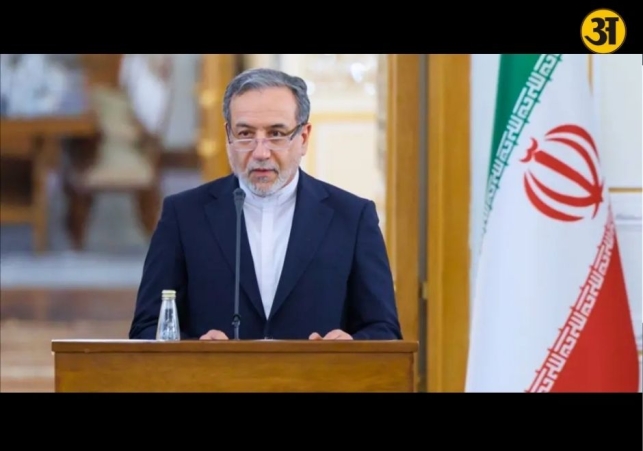
Iran’s Foreign Ministry spokesperson Esmail Baghaei spoke to state television and dismissed suggestions that Tehran was acting under pressure or had accepted outside demands.
According to him, Iran no longer accepts the language of commands or pressure from Western nations.
He said Iran has made its own decisions for many years and will continue to act according to what it believes is in the interest of the Iranian people.
Baghaei said no country has the right to tell Iran what it “must” do.
His statement appeared to directly respond to comments made by Trump, who suggested that progress had been made toward a possible understanding between the two countries.
Iran’s response showed that Tehran wants to make clear that any future agreement would happen only on terms it considers acceptable.
Officials also stressed that no final agreement currently exists.
What Trump claimed about the agreement
The disagreement began after Trump posted a message on social media about Iran and the Strait of Hormuz.
Trump suggested that ships affected by naval restrictions in the region would soon be able to return home.
He also claimed that a decision regarding an agreement with Iran could happen soon.
The US President described the naval blockade as ending and gave the impression that progress had been made toward easing tensions.
His comments created international attention because the Strait of Hormuz is one of the world’s most important sea routes for oil and global trade.
A large percentage of oil shipments pass through this narrow waterway, making any tension in the region important for world markets and international security.
However, Iran quickly rejected the idea that a final understanding had already been reached.
ALSO READ: Trump warns Oman as US opposes Iran talks over Strait of Hormuz control
ALSO READ: Michelin-star chef shares simple kitchen habits to improve home cooking
Strait of Hormuz remains a major issue
The Strait of Hormuz continues to be at the centre of tensions between Iran and the United States.
Iranian officials criticised US maritime actions and called them unfair and illegal.
Baghaei said American measures in the waterway violated international rules related to freedom of navigation and also went against the ceasefire understanding that reportedly started earlier.
He argued that the restrictions should never have happened in the first place.
At the same time, Baghaei said Iran would judge the United States based on actions rather than words.
He explained that Tehran wants to see whether Washington actually follows through with its statements or whether the announcements are only political messaging.
Iran also accused the United States of extending certain restrictions without agreement.
According to Iranian officials, some actions taken by Washington were done unilaterally, meaning without mutual approval.
Talks are still happening through mediators
Even though Iran rejected Trump’s claims of a final understanding, officials said communication between both sides has not stopped.
Baghaei confirmed that indirect discussions between Iran and the United States are still taking place through mediators.
This means representatives are not directly negotiating face to face but are instead communicating through third parties.
The discussions reportedly focus on reducing tensions and ending conflict-related problems.
Topics under discussion include:
-
Maritime issues in the Strait of Hormuz
-
Steps to reduce hostilities
-
Iranian assets held abroad
-
Regional security concerns
However, Baghaei made it clear that nuclear negotiations are not currently part of these talks.
He specifically said there are “no negotiations” regarding the nuclear issue.
This is an important point because Iran’s nuclear programme has long been one of the biggest disputes between Tehran and Western countries.
Why the situation matters globally
The disagreement between Iran and the United States matters not only to the two countries but also to the rest of the world.
Any conflict involving the Strait of Hormuz can affect oil prices, shipping routes and global trade.
If tensions rise, fuel prices may increase in many countries.
Businesses and governments closely watch developments in the region because disruptions in shipping can affect economies worldwide.
At the same time, diplomatic talks remain important because both sides appear interested in avoiding a larger conflict.
While Trump suggested progress toward an agreement, Iran’s response shows that major differences still remain.
Experts say such situations often involve public statements from leaders while negotiations continue privately behind the scenes.
Uncertainty continues
For now, there is no confirmed final agreement between Iran and the United States.
Iran says decisions will be made only according to its national interests and has rejected suggestions that it is acting under pressure from Washington or Western countries.
Meanwhile, Trump continues to signal optimism about a possible agreement.
Although indirect talks are reportedly continuing, major questions remain unanswered about the future of the conflict, maritime restrictions and broader relations between Tehran and Washington.
The coming weeks may become important in deciding whether both countries move closer to peace or continue facing political tension and disagreement.
Related News